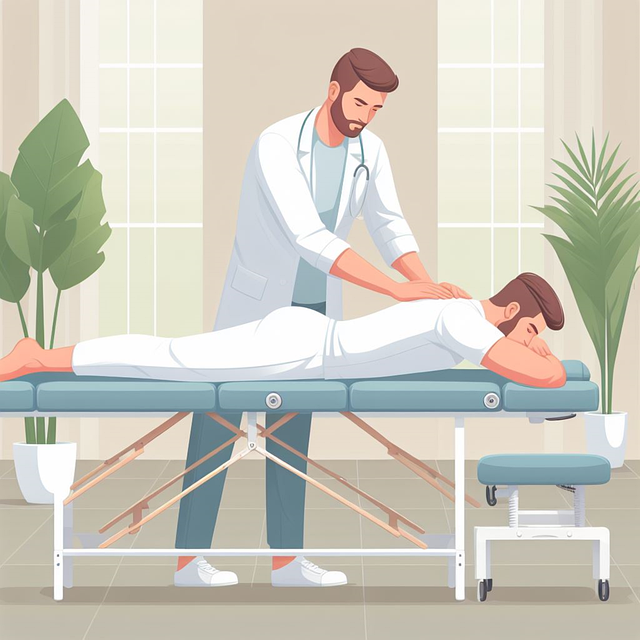








The immediate aftermath of a car crash requires comprehensive patient care, focusing on life-saving interventions and stabilisation. Long-term chiropractic rehabilitation after car wrecks is a vital component for restoring spinal health, managing chronic pain, and improving mobility. This holistic approach includes manual adjustments, exercises, education on injury prevention, and lifestyle counseling to promote effective recovery and reduce long-term disability. Early intervention and personalised treatment plans are key to successful outcomes.
Car crashes can cause a wide range of injuries, from minor bumps to severe, life-altering trauma. Among these, whiplash and spinal damage are particularly prevalent, often leading to prolonged discomfort and disability. Long-term chiropractic rehabilitation after car wrecks emerges as a vital solution for restoring function and alleviating pain. This comprehensive guide delves into the multifaceted approach of chiropractic care post-auto accident, exploring techniques, benefits, and the crucial role it plays in fostering long-term recovery and improved quality of life. By understanding these principles, individuals can navigate their path to healing with greater clarity and confidence.
- Immediate Care & Safety Measures After Car Wrecks
- Navigating Medical Support & Long-Term Chiropractic Rehabilitation
- Recovery, Adjustments & Preventing Future Injuries
Immediate Care & Safety Measures After Car Wrecks

The immediate aftermath of a car crash is a critical period that significantly influences the long-term recovery process for victims. Safety measures and prompt care during this initial phase can make a substantial difference in mitigating injuries, reducing pain, and ensuring a smoother journey towards rehabilitation. After a car wreck, it’s imperative to prioritize patient safety and well-being both at the accident site and during transport to medical facilities.
One of the primary concerns is managing potential life-threatening conditions, such as severe bleeding, fractures, or head injuries. First responders and emergency medical services (EMS) play a pivotal role in stabilising patients at the scene and ensuring their safe transfer to hospitals. Proper immobilization techniques are employed to prevent further damage from secondary impacts during transport, especially for individuals with suspected spinal or skull injuries. This crucial step sets the foundation for comprehensive rehabilitation efforts, including long-term chiropractic rehabilitation after car wrecks.
In many cases, victims may require immediate medical interventions like splinting, casting, or surgical procedures to address severe injuries. Additionally, pain management strategies are essential components of initial care, aiming to alleviate suffering and ensure patients’ comfort during the recovery process. Early intervention and stabilisation significantly impact the overall success of rehabilitation programs, including chiropractic treatments designed to restore spinal health and mobility naturally over time.
Navigating Medical Support & Long-Term Chiropractic Rehabilitation

Recovering from a car crash involves more than initial medical care; it necessitates a comprehensive approach to navigate the complexities of long-term recovery. Medical support plays a pivotal role in this process, focusing on acute injuries while establishing a foundation for ongoing healing. Chiropractic rehabilitation, specifically tailored for individuals involved in car wrecks, emerges as a crucial component of holistic recovery. This natural approach addresses not only physical symptoms but also aims to restore function and improve overall quality of life.
Chiropractors specializing in post-crash rehabilitation employ a multi-faceted strategy. They utilize hands-on adjustments, specific exercises, and therapeutic modalities to alleviate pain, reduce inflammation, and promote tissue repair. Long-term chiropractic rehabilitation after car wrecks often involves personalized treatment plans lasting several months or even years, depending on the severity of injuries. These plans may include regular visits for adjustments, strengthening exercises, and lifestyle modifications to support healing and prevent future complications.
Research supports the effectiveness of chiropractic care in managing chronic pain and improving mobility after motor vehicle accidents. A study published in the Journal of Chiropractic Medicine found significant improvements in pain levels and functional abilities among patients participating in long-term chiropractic rehabilitation programs following car crashes. By employing evidence-based practices, chiropractors can help individuals overcome the challenges associated with whiplash, back pain, and other common injuries stemming from car accidents, enabling them to regain control of their lives and achieve lasting recovery.
Recovery, Adjustments & Preventing Future Injuries

Recovery from a car crash involves more than just treating immediate injuries; it’s a multifaceted process aimed at restoring physical health, addressing chronic pain, and preventing future accidents. Long-term chiropractic rehabilitation after car wrecks plays a pivotal role in this journey. Chiropractors utilize a range of techniques—including manual adjustments, therapeutic exercises, and lifestyle counseling—to alleviate symptoms, improve spinal function, and enhance overall well-being. This holistic approach recognizes that chronic pain often stems from underlying structural issues exacerbated by the trauma of a car crash.
One of the key challenges in post-crash rehabilitation is adapting to new limitations. Many survivors experience reduced mobility, fatigue, and sensory disturbances. Chiropractors work closely with patients to develop individualized treatment plans, focusing on strengthening vulnerable areas and teaching injury prevention strategies. For instance, specific core strengthening exercises can help stabilize the spine, reducing the risk of future adjustments needed due to re-injury. Data suggests that early intervention through chiropractic care can significantly reduce long-term disability and pain levels in car crash survivors.
Moreover, education is an integral part of this process. Patients learn about proper posture, ergonomics at work and home, and stress management techniques. These lifestyle adjustments are crucial for preventing future injuries, as many crashes result from chronic postural imbalances or overtaxed bodies. For example, understanding the importance of regular breaks during prolonged sitting can significantly reduce the risk of subsequent neck and back injuries. By combining chiropractic care with these proactive measures, individuals not only recover more effectively but also gain the tools to maintain their health and mobility for years to come.
Comprehensive rehabilitation after a car crash involves immediate safety measures, strategic medical support, and long-term chiropractic rehabilitation to ensure holistic recovery. Key insights include prioritizing immediate care to stabilize injuries, engaging specialized medical professionals for sustained healing, and adopting lifestyle adjustments to prevent future traumas. Long-term chiropractic rehabilitation after car wrecks is essential for restoring spinal alignment, alleviating pain, and enhancing overall mobility. By following these steps and committing to the process, individuals can not only regain their physical well-being but also learn valuable lessons in injury prevention, empowering them to navigate future challenges with resilience.