





Long-term chiropractic rehabilitation after car wrecks focuses on managing spinal injuries through tailored treatments. Chiropractors use adjustments, exercises, CBT, heat/cold therapy, and mindfulness to reduce pain, improve mobility, and prevent chronic issues. Structured programs show significant benefits over conventional care, empowering patients with self-care knowledge for sustained recovery.
Spinal injuries resulting from car accidents can have profound and lasting effects on individuals’ lives. Long-term chiropractic rehabilitation after car wrecks has emerged as a crucial approach to managing these ongoing conditions. The impact of such injuries extends beyond physical pain, affecting mobility, daily functioning, and overall quality of life. This article delves into the significance of spinal rehab, specifically focusing on its role in mitigating the effects of car crash-related spinal injuries. We explore evidence-based practices, their potential to enhance patient outcomes, and the expertise required for effective, long-term chiropractic rehabilitation.
- Understanding Long-Term Chiropractic Care After Car Accidents
- Evaluating Spinal Injuries and Customized Rehabilitation Plans
- Effective Techniques for Sustained Recovery and Pain Management
Understanding Long-Term Chiropractic Care After Car Accidents

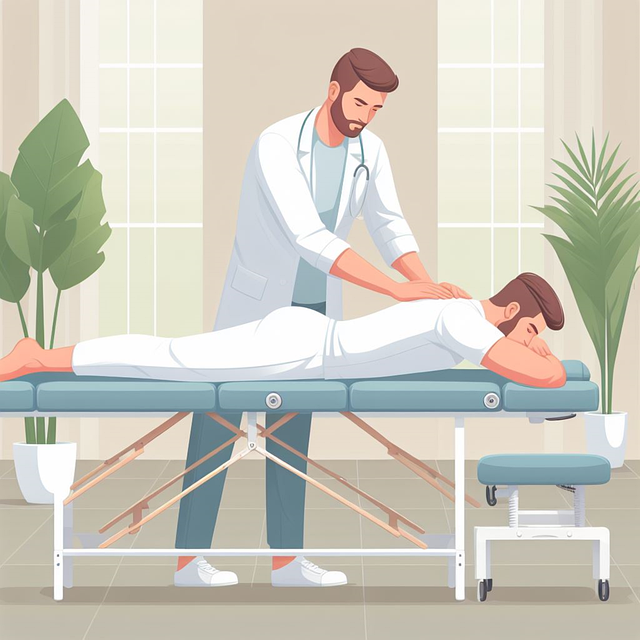
After a car accident, many individuals seek immediate medical attention, but understanding the long-term implications for their spine and overall health is equally crucial. Long-term chiropractic rehabilitation after car wrecks plays a significant role in managing ongoing spinal injuries and promoting recovery. Chiropractic care focuses on the manipulation and adjustment of the spine to alleviate pain, improve mobility, and restore function. This holistic approach is particularly beneficial for individuals who have sustained whiplash or other spinal injuries as a result of a motor vehicle collision.
Chiropractors employ various techniques, including hands-on adjustments, therapeutic exercises, and lifestyle recommendations, to address the specific needs of each patient. For instance, a study published in the Journal of Chiropractic Medicine found that patients with whiplash-associated disorders who underwent long-term chiropractic care experienced significant reductions in pain and disability compared to those receiving conventional treatment alone. Additionally, regular chiropractic adjustments can help maintain spinal health over time, preventing further injury and reducing the risk of chronic pain development.
In cases of severe or complex injuries, a comprehensive rehabilitation program that includes chiropractic care should be tailored to address individual needs. This may involve a combination of treatments such as physical therapy, massage, and ergonomic interventions to optimize recovery. For example, patients with herniated discs might benefit from targeted exercises designed to strengthen the spine and improve stability while receiving regular chiropractic adjustments to correct spinal misalignments. By collaborating closely with healthcare professionals, individuals can navigate the long-term chiropractic rehabilitation process, ensuring they receive the best possible care for their specific spinal injury.
Evaluating Spinal Injuries and Customized Rehabilitation Plans
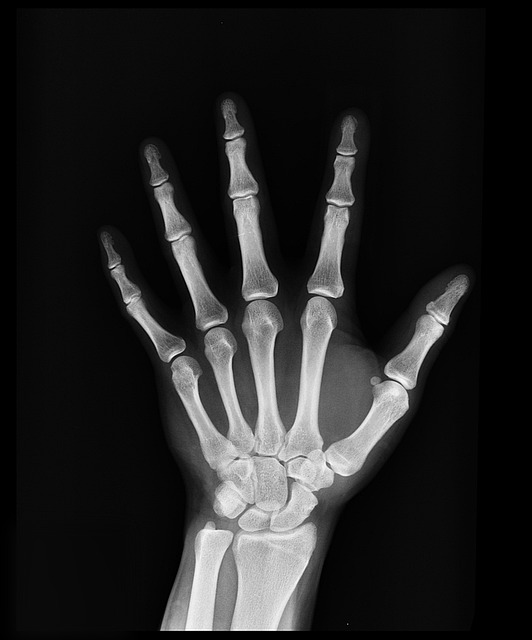
Evaluating spinal injuries is a meticulous process that forms the cornerstone of effective long-term chiropractic rehabilitation after car wrecks. Chiropractors employ advanced diagnostic techniques, including imaging scans, neurological examinations, and specific orthopedic tests, to pinpoint the extent of damage. This thorough approach ensures that each patient receives a customized treatment plan tailored to their unique needs. For instance, a patient with a herniated disc might benefit from a combination of manual adjustments, targeted exercises, and lifestyle modifications, while someone with spinal stenosis may require a more intensive regimen focusing on joint mobilization and neuro-muscular reeducation.
The goal of customized rehabilitation is not only to alleviate acute pain but also to restore function, improve mobility, and prevent future complications. Long-term chiropractic care after car accidents often involves ongoing adjustments, targeted physical therapy, and education on posture, ergonomics, and injury prevention strategies. A study published in the Journal of Chiropractic Medicine found that patients participating in structured, personalized rehabilitation programs following car crashes experienced significantly greater improvements in pain reduction and functional ability compared to those receiving standard care.
Moreover, incorporating patient education into the rehabilitation process empowers individuals to take an active role in their recovery. Chiropractors may teach techniques for self-care, including specific exercises, stretching routines, and strategies for managing stress and anxiety, all of which contribute to sustained improvements and a lower risk of re-injury. Regular follow-up appointments are crucial to monitor progress, adjust treatment plans as needed, and ensure patients remain on the path to full recovery. By adhering to evidence-based practices and individualizing care, chiropractors play a vital role in helping patients navigate the challenges of spinal injuries and achieve long-lasting relief.
Effective Techniques for Sustained Recovery and Pain Management

Long-term chiropractic rehabilitation after car wrecks is a specialized field focused on addressing complex spinal injuries and fostering sustained recovery. Effective techniques for managing pain and promoting healing in these cases go beyond traditional treatments, incorporating a multifaceted approach that considers the physiological and psychological aspects of recovery. One powerful strategy involves tailored exercise programs designed to strengthen muscles supporting the spine while improving flexibility and range of motion. For instance, specific chiropractic adjustments coupled with targeted strength training have shown promising results in reducing pain and enhancing functional capabilities among patients post-car accidents.
Additionally, incorporating cognitive behavioral therapy (CBT) into long-term rehabilitation can significantly impact patient outcomes. CBT helps individuals manage pain by modifying negative thought patterns and behaviors associated with their injuries. Research indicates that combining chiropractic care with CBT leads to better pain control, increased physical activity levels, and improved quality of life among patients with chronic pain stemming from car wrecks. This holistic integration of physical and mental health interventions underscores the importance of addressing both the body’s physical limitations and its psychological responses to injury.
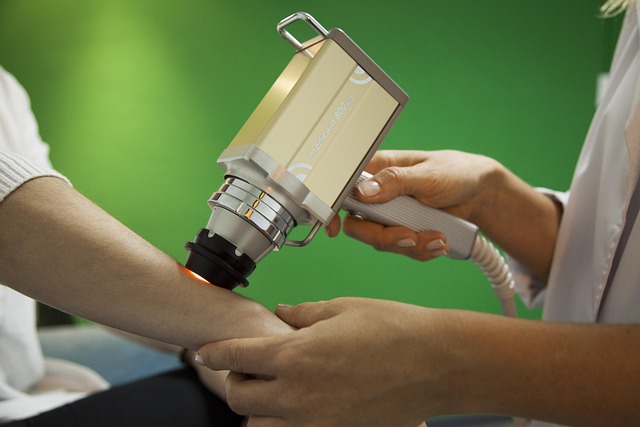
Another evidence-based technique is heat and cold therapy, strategically applied to reduce inflammation and manage pain. While short-term ice packs may be beneficial immediately after an accident, long-term chiropractic rehabilitation often incorporates heat therapy to promote blood flow and relax stiffened muscles. Combining these therapeutic modalities with gentle spinal adjustments can lead to more effective pain management and accelerated recovery. Moreover, incorporating mindfulness practices such as yoga or meditation can further complement rehabilitation efforts by reducing stress levels and enhancing patients’ overall sense of well-being during the healing process.
Long-term chiropractic rehabilitation after car wrecks is a multifaceted approach that combines understanding, evaluation, and effective techniques. By recognizing the potential for chronic pain and disability following auto accidents, chiropractors can tailor rehabilitation plans to address specific spinal injuries. This personalized care, grounded in evidence-based practices, offers a promising path to sustained recovery and improved quality of life. Key insights include the importance of early intervention, the need for ongoing care tailored to individual needs, and the integration of various therapeutic methods. Practical next steps involve seeking specialized chiropractic rehabilitation, actively participating in treatment, and maintaining regular follow-up appointments to ensure continuous progress and prevent exacerbations. This comprehensive approach, as detailed in this article, underscores the vital role of long-term chiropractic care in managing and overcoming injuries sustained in car accidents.