






Long-term chiropractic rehabilitation after car wrecks is a specialized approach focusing on holistic recovery. Chiropractors address subluxations with adjustments, heat/cold therapy, and exercises. Programs evolve to include ergonomic strategies, patient education, and return-to-activity guidance. Regular check-ups ensure progress tracking and necessary adjustments. This method reduces pain, improves function, and lowers risk of chronic conditions associated with trauma, empowering individuals to maintain long-term wellness.
In the realm of injury recovery, long-term chiropractic rehabilitation after car wrecks stands as a vital approach to restoring health and functionality. Motor vehicle accidents frequently result in complex spinal injuries, requiring meticulous care beyond initial acute treatment. The challenges extend to ensuring lasting recovery, especially for victims facing prolonged healing processes. This article delves into the critical role of comprehensive, long-term chiropractic programs in managing such cases. We explore evidence-based strategies tailored to address the unique needs of individuals post-car wrecks, emphasizing the expertise and holistic approach essential for optimal outcomes.
- Understanding Long-Term Chiropractic Rehabilitation
- The Role of Chiropractic in Car Crash Injury Recovery
- Effective Strategies for Lasting Healing After a Car Wreck
Understanding Long-Term Chiropractic Rehabilitation

Long-term chiropractic rehabilitation is a specialized approach designed to aid individuals in their recovery journey after traumatic events, particularly car wrecks. This comprehensive process extends far beyond initial adjustments, focusing on restoring function, reducing pain, and enhancing overall well-being. Chiropractors skilled in this area understand that healing is not always linear; each patient’s path to recovery is unique, influenced by the severity of injuries, individual health factors, and adherence to treatment plans.
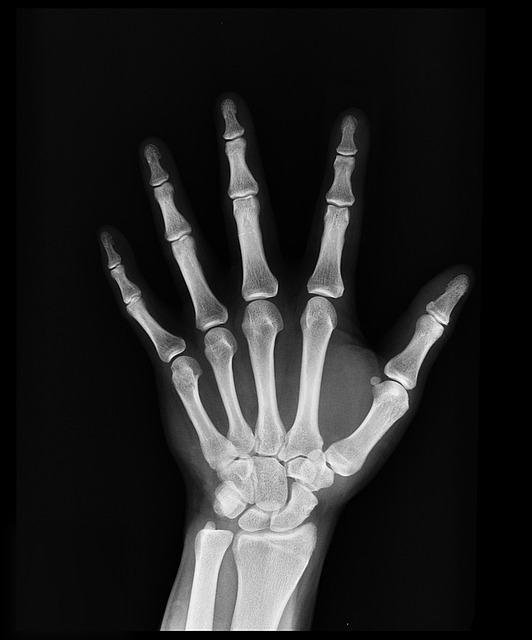
Following a car wreck, long-term chiropractic rehabilitation may include a multi-faceted strategy. Initially, chiropractors assess the spine and nervous system for subluxations or misalignments that could contribute to ongoing pain and discomfort. This thorough evaluation often involves advanced diagnostic techniques and imaging to pinpoint areas of concern. Subsequent treatments might comprise gentle adjustments, therapeutic modalities such as heat or cold therapy, and exercises tailored to strengthen supporting muscles and improve mobility. The goal is to alleviate acute symptoms and create a foundation for long-lasting healing.
Over time, rehabilitation programs evolve to address the complex nature of post-accident injuries. This may involve implementing ergonomic strategies to optimize work and daily activities, providing patient education on injury prevention, and offering guidance on gradual return-to-activity plans. Regular check-ups ensure that the recovery process remains on track, allowing chiropractors to make adjustments as needed. Studies indicate that individuals who commit to long-term chiropractic rehabilitation after car wrecks often experience reduced pain levels, improved functional abilities, and a lower risk of developing chronic conditions associated with trauma.
The Role of Chiropractic in Car Crash Injury Recovery

Chiropractic care plays a pivotal role in the long-term chiropractic rehabilitation after car wrecks, offering a holistic approach to managing and alleviating injuries sustained during vehicular accidents. While immediate medical attention is crucial, chiropractic programs provide a sustained, specialized treatment that addresses the complex nature of whiplash and other common car crash injuries. These programs focus not just on pain relief but also on restoring spinal function, improving mobility, and preventing chronic conditions that can develop after a car accident.
Chiropractors utilize a variety of non-invasive techniques such as manual adjustments, thermal therapy, and soft tissue modalities to address muscle sprains, ligament strains, and herniated discs. Long-term chiropractic rehabilitation after car wrecks often involves a multi-faceted approach tailored to each patient’s specific needs. Studies have shown that individuals who participate in comprehensive chiropractic care post-accident experience reduced pain, improved physical function, and lower rates of disability compared to those who receive traditional medical treatment alone. For example, a meta-analysis published in the Journal of Manipulative and Physiological Therapeutics found that chiropractic manipulation combined with exercise therapy significantly improved outcomes for patients with whiplash-associated disorders.
Moreover, chiropractic care promotes natural healing by reducing inflammation, enhancing joint mobility, and supporting the body’s innate ability to heal itself. Chiropractors also educate their patients on ergonomic principles, posture correction, and injury prevention strategies to minimize the risk of future injuries. Regular follow-up visits ensure continuous monitoring and adjustment of treatment plans as the patient progresses through recovery. This proactive approach not only accelerates healing but also empowers individuals with knowledge and tools to maintain long-term wellness, preventing relapses and chronic pain often associated with car crash injuries.
Effective Strategies for Lasting Healing After a Car Wreck

A car wreck can cause not just immediate physical damage but also long-lasting injuries that require specialized care for healing. Long-term chiropractic rehabilitation after car wrecks is a critical component in managing these complex cases, aiming to restore function and alleviate pain over an extended period. This approach recognizes that the body’s recovery process is a journey that demands patience, precision, and tailored strategies.
Chiropractors play a pivotal role in this journey by addressing not just the symptoms but also the underlying structural issues that often persist after a traumatic event like a car accident. Effective long-term chiropractic programs integrate diverse techniques such as manual adjustments, soft tissue therapy, exercise protocols, and lifestyle counseling. For instance, a comprehensive program might begin with acute care to manage pain and inflammation, followed by progressive spinal manipulation to improve joint mobility and restore alignment. This multi-faceted approach ensures that the body is supported throughout its healing process, reducing the risk of chronic conditions developing from untreated or improperly managed injuries.
Research supports the efficacy of chiropractic interventions for post-motor vehicle accident care. A study published in the Journal of Chiropractic Medicine found significant improvements in pain levels and functional outcomes among patients participating in long-term chiropractic rehabilitation programs. These results underscore the value of personalized, evidence-based care that considers each patient’s unique needs and recovery trajectory. By incorporating advanced diagnostic tools, regular progress assessments, and patient education, chiropractors can enhance treatment adherence and outcomes. Moreover, promoting active participation in the healing process through exercises tailored to individual conditions ensures a more sustainable and successful recovery journey after a car wreck.
Long-term chiropractic rehabilitation after car wrecks is a multifaceted approach that combines understanding the injury, addressing specific car crash-related issues, and implementing effective healing strategies. The article has underscored the vital role chiropractors play in managing and mitigating the effects of such injuries, offering both immediate relief and lasting recovery solutions. Key insights include recognizing the importance of individualized treatment plans, integrating various therapeutic techniques, and emphasizing ongoing care for optimal outcomes. By delving into these aspects, readers have gained a comprehensive understanding of how long-term chiropractic rehabilitation can transform car wreck victims’ journeys from survivors to thrive-ers.