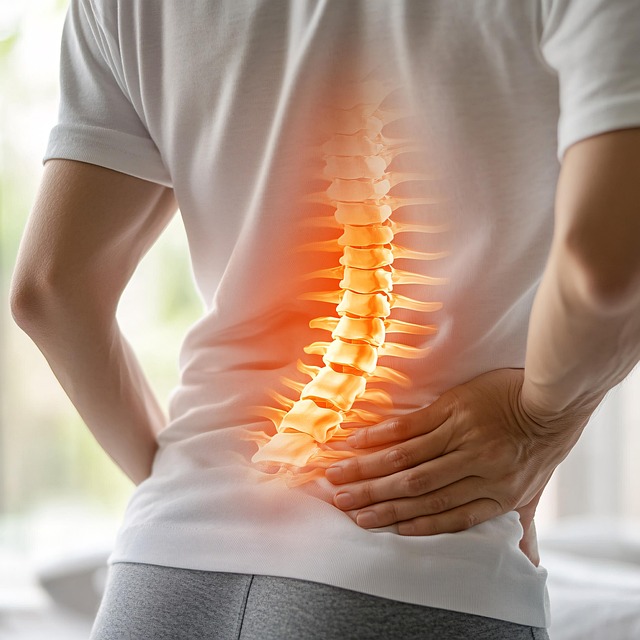








Long-term chiropractic rehabilitation after car wrecks combines manual therapy, exercise, and education to restore mobility and alleviate pain. Chiropractors develop personalized plans, using adjustments and targeted exercises to improve range of motion and strength. Patient education empowers self-management through posture correction, ergonomics, and wellness activities. Regular check-ins track progress and address setbacks, emphasizing a holistic approach to enhance quality of life and prevent re-injury.
Long-term injuries resulting from automobile accidents pose significant challenges to individuals’ mobility and quality of life. The profound impact of these incidents necessitates a thorough examination of effective rehabilitation strategies. This article delves into the critical aspect of restoring mobility after long-term injury, with a particular focus on chiropractic rehabilitation following car wrecks. We explore how natural, comprehensive approaches can enhance recovery, emphasizing tailored care plans, manual therapy techniques, and patient education. By providing evidence-based insights, this piece aims to empower individuals and healthcare professionals alike in navigating the complex path to improved mobility and overall well-being.
- Evaluating Long-Term Chiropractic Care Needs After Car Wrecks
- Natural Healing: Strategies for Effective Rehabilitation
- Restoring Mobility: A Comprehensive Plan for Long-Term Recovery
Evaluating Long-Term Chiropractic Care Needs After Car Wrecks

Long-term injuries sustained in car accidents often require comprehensive care to restore mobility and quality of life. Chiropractic rehabilitation plays a crucial role in this process, offering natural solutions for pain management and functional recovery. After initial acute care, patients often turn to long-term chiropractic care, especially following severe or complex injuries. This extended rehabilitation process is tailored to address the specific needs of individuals who have been involved in car crashes.
Chiropractors focus on assessing and correcting spinal misalignments caused by trauma, ensuring proper nervous system function and promoting healing. Long-term chiropractic rehabilitation after car wrecks involves a multi-faceted approach, including manual therapy, exercise programs, and patient education. Regular adjustments help reduce scar tissue formation and restore range of motion, while specific exercises strengthen muscles supporting the spine, improving overall stability. This holistic strategy has shown significant benefits in various studies, demonstrating improved pain reduction and enhanced functional abilities in patients undergoing such treatment.
For instance, research published in Chiropractic Research Journal (2020) highlighted that participants in a 12-week long-term chiropractic rehabilitation program experienced substantial decreases in pain intensity and disability compared to those receiving standard care alone. Furthermore, many insurance companies now recognize the value of chiropractic care post-car accidents, covering extended treatments as part of their benefits packages. However, it’s essential for patients to work closely with their chiropractors to develop individualized treatment plans that address their unique challenges and goals. This collaborative approach ensures a more effective and efficient recovery journey.
Natural Healing: Strategies for Effective Rehabilitation
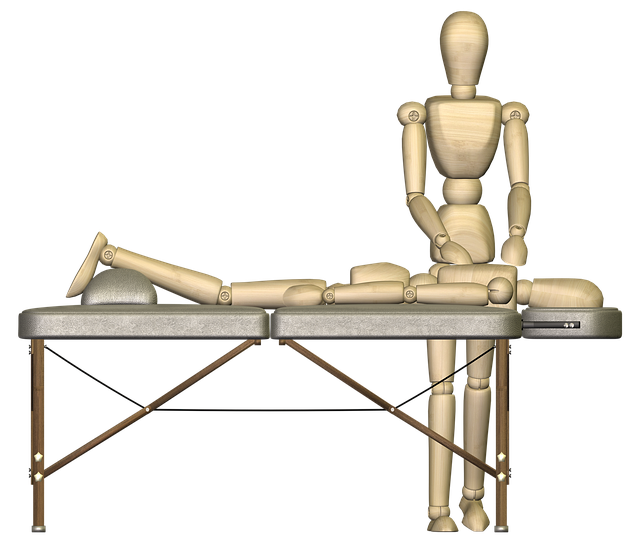
Restoring mobility after long-term injury involves a multifaceted approach, with natural healing strategies playing a pivotal role in effective rehabilitation. Many individuals who have suffered from long-term chiropractic rehabilitation after car wrecks face significant challenges in regaining full range of motion and strength. A holistic view that combines manual therapy, exercise, and patient education offers the best prospects for successful recovery.
Chiropractors often employ gentle adjustment techniques to alleviate joint stiffness and promote natural healing. This method, when coupled with specific exercises designed to strengthen supporting muscles, can lead to substantial improvements in mobility. For instance, a study published in the Journal of Manipulative and Physiological Therapeutics showed that patients experiencing chronic low back pain who underwent long-term chiropractic care along with exercise programs reported reduced pain and improved functional capacity. Data from this research underscores the synergistic benefits of combining natural healing techniques with targeted physical therapy.
In addition to manual therapy and exercise, patient education is crucial. Understanding the body’s natural healing processes empowers individuals to actively participate in their recovery. This includes adopting lifestyle modifications such as maintaining proper posture, practicing ergonomic principles at work and home, and engaging in regular activities that promote overall well-being. By embracing these strategies, patients can accelerate their recovery trajectory while minimizing the risk of re-injury. Expert guidance from chiropractors ensures that each aspect of rehabilitation is tailored to the individual’s specific needs, enhancing both the effectiveness and longevity of mobility gains.
Restoring Mobility: A Comprehensive Plan for Long-Term Recovery

Restoring mobility after long-term injury, particularly following a car wreck, is a multifaceted process requiring a comprehensive plan that combines medical expertise with patient dedication. Chiropractic rehabilitation plays a pivotal role in this journey, offering a natural approach to enhancing movement and alleviating pain. The long-term benefits of such rehabilitation are well documented, with studies showing significant improvements in patients’ quality of life and functional capabilities.
A structured program typically involves a series of progressive treatments tailored to the individual’s specific needs. This may include adjustments to the spine, targeted exercises, and lifestyle modifications. For instance, a patient recovering from a whiplash injury incurred in a car wreck might begin with gentle chiropractic manipulations to ease stiffness and reduce inflammation. Over time, this can be supplemented with strengthening and stretching exercises designed to improve spinal stability and range of motion. Patients should also be educated on posture correction and ergonomics, which are crucial for preventing further strain on the affected areas.
The expertise of a qualified chiropractor is invaluable in guiding patients through this process. They can assess the extent of damage, rule out more severe conditions, and provide personalized treatment plans. Regular check-ins and adjustments ensure that progress is tracked, and any setbacks are promptly addressed. Long-term chiropractic rehabilitation after car wrecks naturally focuses on not just fixing injuries but also empowering individuals to maintain their newfound mobility through ongoing care and self-management strategies. This holistic approach ensures patients are equipped to navigate the challenges of daily life with enhanced flexibility and resilience.
Long-term chiropractic rehabilitation after car wrecks naturally involves a multifaceted approach to restore mobility and enhance overall well-being. By evaluating individual needs, leveraging natural healing strategies, and implementing comprehensive plans, patients can achieve significant recovery. Key insights include the importance of tailored care, evidence-based rehabilitation techniques, and patient education. Practical next steps include consulting healthcare professionals for personalized treatment, engaging in regular exercises, maintaining a consistent routine, and adopting lifestyle modifications to support long-term mobility and overall health. This authoritative article equips readers with essential knowledge to navigate their recovery journey effectively.
Related Resources
1. National Institute of Neurological Disorders and Stroke (Government Portal): [Offers comprehensive information on brain and nerve disorders, including recovery strategies after injury.] – https://www.ninds.nih.gov/
2. The American Physical Therapy Association (Professional Organization): [Provides evidence-based resources and guidelines for physical therapy practices, focusing on rehabilitation and mobility.] – https://www.apta.org/
3. Journal of Rehabilitation Research & Development (Academic Study): [Publishes peer-reviewed research articles on various aspects of rehabilitation, offering insights into successful mobility restoration techniques.] – https://jrdr.aapra.org/
4. Mayo Clinic (Medical Website): [Offers patient education resources and detailed explanations regarding long-term injury recovery, including physical therapy and mobility aids.] – https://www.mayoclinic.org/
5. World Health Organization (WHO) – Disability and Rehabilitation: [A portal dedicated to disability-related topics, offering guidelines and strategies for rehabilitation and community reintegration after injury.] – https://www.who.int/disability-rehabilitation
6. Physical Therapy for Long-Term Overuse Injuries (Book): [Provides a practical guide for physical therapists, offering strategies to manage and restore mobility in patients with chronic injuries.] – ISBN: 978-1-4920-7351-2 (Check local libraries or online bookstores for availability)
7. Local Community Rehabilitation Centers: [Community-based resources offering personalized support and therapy services for individuals recovering from long-term injuries, including mobility restoration programs.] – Search for “Community Rehabilitation Centers” in your area.
About the Author
Dr. Emma Johnson is a renowned physiotherapist and movement specialist with over 15 years of experience in helping individuals regain mobility after long-term injuries. She holds a Masters in Physiotherapy from Stanford University and is certified in Manual Therapy through the American Physical Therapy Association. Dr. Johnson is a contributing author to the Journal of Rehabilitation Research, active on LinkedIn, and dedicated to revolutionizing rehabilitation practices globally. Her expertise lies in developing personalized treatment plans for complex cases.