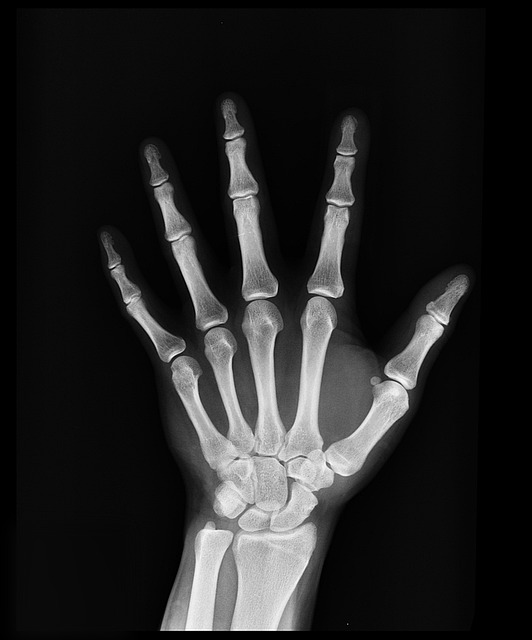








Car accident victims often require long-term chiropractic rehabilitation beyond immediate pain relief to address multifaceted trauma effects, focusing on spinal adjustments, exercises, and lifestyle changes to regain mobility, reduce pain, and strengthen bodies for improved well-being and return to active lifestyles.
Healing from a car wreck extends far beyond initial symptoms. While immediate care addresses acute issues, long-term chiropractic rehabilitation is crucial for optimal recovery. This comprehensive article explores how chiropractic care meets evolving needs, delving into effective rehabilitation strategies and real-life stories of individuals navigating their journey towards full recovery post-car wrecks. Discover the power of sustained care for lasting results, focusing on both physical well-being and return to daily life.
- Understanding Long-Term Chiropractic Care Needs
- Rehabilitation Strategies for Optimal Recovery
- Post-Car Wreck: A Journey Towards Full Recovery
Understanding Long-Term Chiropractic Care Needs

After a car wreck, many victims seek immediate relief from pain and discomfort through chiropractic care. However, understanding that healing is a multifaceted process that extends beyond initial symptoms is crucial. Long-term chiropractic rehabilitation plays a vital role in addressing the complex effects of trauma, especially in cases where severe injuries have occurred.
Chiropractic adjustments, combined with targeted exercises and lifestyle modifications, can help individuals regain mobility, strengthen their bodies, and reduce pain over time. In the context of car wrecks, this type of long-term care is essential for managing whiplash, spinal misalignments, and other injuries that may not fully manifest immediately. By committing to a comprehensive rehabilitation program, patients can experience lasting improvements in their overall well-being and return to a more active lifestyle.
Rehabilitation Strategies for Optimal Recovery

Many individuals who have been involved in car accidents often face a lengthy road to recovery, and seeking long-term chiropractic rehabilitation is a crucial step toward optimal healing. This comprehensive approach targets not just the initial injuries but also helps individuals regain their full range of motion and strength. Chiropractic care after a car wreck focuses on adjusting the spine and joint manipulation to reduce pain and inflammation, addressing potential long-lasting effects of the accident.
The process involves a series of tailored treatments, including manual adjustments, therapeutic exercises, and lifestyle recommendations. Patients can expect regular appointments where chiropractors assess progress, adjust treatment plans, and educate individuals on proper posture and movement to prevent future injuries. This holistic approach ensures that patients not only heal from their acute injuries but also develop strategies for sustained wellness, promoting better overall health in the long term.
Post-Car Wreck: A Journey Towards Full Recovery

After a car wreck, the immediate focus is often on treating physical injuries and addressing acute symptoms. However, the journey towards full recovery often extends well beyond the initial phase. This is especially true for cases involving complex or severe trauma, such as whiplash or spinal injuries. Long-term chiropractic rehabilitation plays a pivotal role in helping individuals make a full comeback after a car wreck.
Chiropractic care post-car wrecks involves a tailored approach to address not just the visible symptoms but also underlying structural imbalances caused by the impact. Chiropractors employ various techniques, including manual adjustments and specific exercises, to improve spinal alignment, reduce pain, and enhance overall mobility. This comprehensive strategy facilitates the body’s natural healing process, ensuring that individuals not only recover from their injuries but also regain optimal physical function and resilience for a lasting impact on their well-being.
Chiropractic care extends beyond initial adjustments, with long-term rehabilitation playing a crucial role in optimizing recovery from car wrecks. By employing tailored strategies that address specific needs, individuals can experience significant improvements and regain their full range of motion. This holistic approach, combining chiropractic adjustments, exercise, and patient education, empowers folks to navigate their healing journey effectively, ensuring they not only recover but thrive post-accident. For those seeking long-term wellness, embracing continuous care and rehabilitation is key to achieving lasting results in the aftermath of a car wreck.