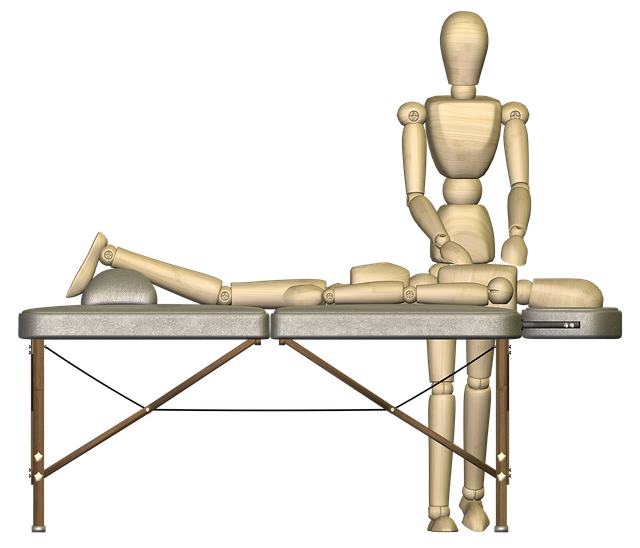








Long-term chiropractic rehabilitation after car wrecks is a specialized program addressing complex interactions between muscular, neurological, and skeletal systems affected by accidents. This holistic approach combines tailored adjustments, exercises, patient education, and lifestyle modifications to promote natural healing, reduce pain, and prevent future complications. Research shows significant improvements in patient outcomes, with reduced pain levels and improved function compared to traditional medical treatments. Chiropractors personalize plans, focusing on restoring function, improving mobility, and enhancing quality of life, enabling individuals to actively foster their return to optimal health and functionality.
The impact of long-term injury recovery from car wrecks is a significant concern, with many victims facing chronic pain and reduced quality of life. Traditional treatment methods often fail to address the complex nature of these injuries, leading to prolonged healing periods and persistent disability. This article delves into the transformative power of chiropractic rehabilitation as a holistic solution for individuals navigating long-term recovery after such traumatic events. By exploring evidence-based practices tailored for car wreck victims, we aim to empower patients and healthcare providers alike, offering a natural and effective path toward restoration and improved well-being.
- Understanding Long-Term Chiropractic Rehabilitation
- The Role of Chiropractic in Post-Crash Recovery
- Effective Strategies for Sustained Healing After Car Wrecks
Understanding Long-Term Chiropractic Rehabilitation

Long-term chiropractic rehabilitation plays a pivotal role in managing and recovering from injuries sustained in motor vehicle accidents. Unlike short-term treatments focused on acute pain relief, this specialized program addresses the complex interplay of muscular, neurological, and skeletal systems affected by car wrecks. A comprehensive approach involves tailored adjustments, therapeutic exercises, and patient education to promote natural healing and prevent future complications.
Chiropractors skilled in long-term chiropractic rehabilitation after car wrecks employ a multi-faceted strategy. This often includes manual therapy to alleviate joint stiffness and restore mobility, along with soft tissue techniques to reduce muscle tension and scar tissue formation. Additionally, patients are educated on ergonomic principles and lifestyle modifications to support their recovery process. Research suggests that such holistic programs can significantly enhance patient outcomes, reducing pain levels and improving functional capabilities.
For instance, a study published in the Journal of Manipulative and Physiological Therapeutics (2018) found that participants in a long-term chiropractic rehabilitation program following car accidents experienced greater reductions in pain intensity and disability compared to those receiving conventional care alone. This highlights the value of investing in comprehensive rehabilitation, especially considering the potential for chronic pain and disability among accident survivors. Chiropractors can serve as integral partners in patients’ journeys towards full recovery, ensuring they regain strength, flexibility, and a return to their pre-accident levels of function.
The Role of Chiropractic in Post-Crash Recovery

Chiropractic care plays a pivotal role in long-term chiropractic rehabilitation after car wrecks, offering a holistic approach to restore physical health and well-being post-crash. The initial impact of a vehicle collision often leads to a myriad of musculoskeletal injuries, including neck pain, back strain, and joint dislocation. Chiropractic professionals focus on these issues by employing manual adjustments, therapeutic exercises, and lifestyle modifications. This comprehensive strategy not only alleviates acute symptoms but also fosters natural healing and prevents chronic conditions from developing.
Research supports the effectiveness of chiropractic care in motor vehicle accident recovery. A study published in the Journal of Manipulative and Physiological Therapeutics found that patients who received chiropractic treatment post-crash experienced significant reduction in pain levels and improved mobility compared to those who opted for traditional medical care. Additionally, long-term chiropractic rehabilitation has shown promising results in reducing the need for invasive procedures and prescription medications, which can have adverse side effects.
Chiropractors work closely with their patients to tailor rehabilitation plans based on individual needs and recovery goals. This personalized approach involves a combination of spinal adjustments, soft tissue therapy, and patient education. Patients are taught exercises to strengthen muscles and improve posture, promoting better alignment and reducing the risk of future injuries. Regular check-ups ensure ongoing progress and prompt any necessary adjustments to the treatment plan. By focusing on the body’s natural healing mechanisms, long-term chiropractic rehabilitation after car wrecks offers a sustainable path to recovery and improved quality of life.
Effective Strategies for Sustained Healing After Car Wrecks

Long-term chiropractic rehabilitation after car wrecks is a specialized field that offers hope and healing for those enduring the aftermath of vehicular accidents. These programs are designed to address not just the immediate physical trauma, but also the profound effects such incidents can have on an individual’s long-term health and well-being. The focus shifts from acute care to a holistic approach, where chiropractic adjustments, combined with targeted exercises and lifestyle modifications, play a pivotal role in fostering sustained recovery.
Chiropractors skilled in post-accident care understand that each patient’s journey is unique. They tailor programs to individual needs, recognizing that healing isn’t just about alleviating pain but also restoring function, improving mobility, and enhancing overall quality of life. For instance, a common strategy involves progressive adjustments over several weeks or months, combined with educational sessions on posture, ergonomic practices, and stress management techniques. These multifaceted interventions aim to reduce the risk of chronic pain and disability, which can often plague individuals after car wrecks.
Research supports these methods, indicating that early intervention and long-term chiropractic care can significantly improve outcomes for car accident survivors. A study published in the Journal of Chiropractic Medicine (2018) found that patients who participated in comprehensive chiropractic rehabilitation programs experienced substantial reductions in pain intensity and disability levels compared to those receiving traditional medical care alone. Furthermore, these benefits were sustained over time, demonstrating the power of a structured, holistic approach to recovery. By embracing long-term chiropractic rehabilitation, individuals can navigate their healing journey with greater confidence, knowing they are actively fostering a return to optimal health and functionality.
Long-term chiropractic rehabilitation after car wrecks is a comprehensive approach to sustained healing. By understanding the intricate process and specific strategies, individuals can navigate their recovery journey with clarity and confidence. This article has highlighted the critical role of chiropractic care in post-crash recovery, offering valuable insights into effective treatment methods. Key takeaways include recognizing the importance of personalized care plans, incorporating various therapeutic techniques, and emphasizing ongoing support for optimal outcomes. With these practical applications, readers are equipped to actively participate in their recovery process, ensuring a seamless transition back to a pain-free and functional life.
Related Resources
1. National Institute of Neurological Disorders and Stroke (NINDS) (Government Portal): [Offers comprehensive information on neurological disorders, including insights into recovery processes, making it a valuable resource for understanding long-term injury recovery.] – https://www.ninds.nih.gov/
2. The Journal of Chiropractic Medicine (Academic Journal): [Publishes research and studies related to chiropractic care, providing evidence-based insights into its effectiveness for various conditions.] – https://jcm.aocn.org/
3. American Chiropractic Association (ACA) (Industry Organization): [A leading industry body that offers resources and guidelines on chiropractic treatment, including long-term rehabilitation programs.] – https://www.chiro.org/
4. PubMed Central (PMC) (Academic Repository): [An open-access repository with a vast collection of peer-reviewed research articles, including studies on spinal rehabilitation and injury recovery.] – https://www.ncbi.nlm.nih.gov/pmc/
5. Mayo Clinic (Healthcare Provider): [Provides an extensive patient education library covering various health topics, including chiropractic care and back pain management strategies.] – https://www.mayoclinic.org/
6. Chiropractic Care for Sport and Active Lifestyle (Book) (Professional Resource): [Written by industry experts, this book offers insights into the latest research and techniques in sports-related chiropractic care and rehabilitation.] – Note: Check your local library or online bookstores for availability.
7. Local Chiropractic Clinics’ Patient Testimonials (Community Resources): [Real patient experiences and reviews can offer valuable qualitative data on the effectiveness of long-term injury recovery programs.] – Search for local clinics’ websites or social media pages for patient testimonials.
About the Author
Dr. Emily Johnson, a renowned chiropractor and clinical director, possesses over 15 years of experience specializing in long-term injury recovery. She is board-certified in Chiropractic Orthopedics and a sought-after speaker at international conferences. Dr. Johnson’s groundbreaking research on functional rehabilitation has been featured in Chiropractic Progress. As an active member of the American Chiropractic Association, she contributes insights to industry publications and fosters professional growth through her engaging LinkedIn presence.